Par ko liecina brīdinājuma lampiņas auto panelī?
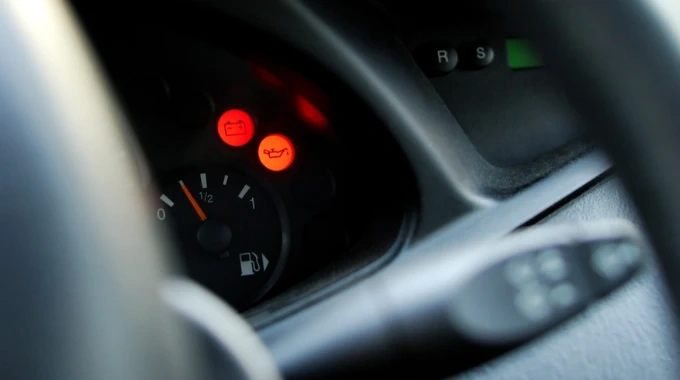
Have you ever found yourself in a situation where an unfamiliar warning light suddenly comes on in your car's dashboard? What does it mean, and can you ignore it?
Modern cars are equipped with several warning systems, carefully designed to ensure safety and keep the vehicle in optimal condition. These indicators not only inform you of significant technical problems but also help the driver act in time to prevent potentially dangerous situations on the road. It is important to know that each light signals something the car needs checked or repaired at that moment. Sometimes it may be just a reminder, while other times it is a warning of serious damage. That is why it is essential to understand what each light signals so you can respond in time. Knowing what these indicators mean and taking the right action at a critical moment can protect both your car and safety on the road.
Read on to learn about the most common warning lights and how to respond when you see them.
Warning Lights on the Dashboard: Colors and Their Meanings
All the lights on a car's dashboard can be divided into two main groups: informational and warning lights.
Informational lights Informational lights on the dashboard, usually green or blue (sometimes white), indicate that a particular system is working correctly or is currently in use. These lights do not signal problems. They appear when, for example, the high beams are switched on or cruise control is activated.
Warning lights Warning lights on the dashboard, which are yellow or red (sometimes orange), require greater attention. Yellow means that something in the system is not working properly and needs to be checked. Red warns of a serious and potentially dangerous problem, which means you should stop driving as soon as it is safe to do so.
The most common green and blue indicator lights on the dashboard are: rear fog lights on, front fog lights on, cruise control on, high beams on, exterior lighting on, and an airbag manually deactivated, among others.
The most common yellow warning lights on the dashboard are: the Check Engine light, the tire pressure warning light, the ABS warning light, the transmission temperature light, the glow plug indicator, among others.
The most common red warning lights on the dashboard are: the battery light, low oil pressure, the brake warning light, the airbag light, the coolant warning light, among others.
The Most Common Warning Lights and Their Symbols
A car's dashboard can display many different warning lights, and drivers see some more often than others. Some signal common problems, such as fuel system issues, which drivers may encounter relatively often. Others, such as heating and cooling system warnings, appear less frequently but are no less important.
To ensure the car operates correctly and to avoid major problems, it is important to know what each of these lights means and how to respond when they come on. Let's look at three frequently encountered warning lights on the dashboard.
Engine Performance Problems
Engine problems are indicated by a yellow symbol that visually resembles the shape of an engine. The Check Engine light comes on when the car has problems with the engine control unit or one of the engine systems.
There are many possible reasons for the Check Engine light to illuminate, including:
- Fuel system problems: The Check Engine light may come on if there are issues with the fuel system, for example, if the wrong type of fuel is used or the fuel pressure flow is obstructed. The cause may also be a fuel cap that is not tightly closed, allowing air to enter the fuel system.
- Ignition system problems: The Check Engine light may come on if there are issues with the ignition system, for example, damage to the spark plugs, coils, or wires.
- Exhaust system problems: Defects in the exhaust system, such as catalytic converter damage or exhaust leaks, can affect the composition of the exhaust fumes and the efficiency of the vehicle.
What to do if the engine light comes on?
Since this warning symbol is yellow, it needs to be checked. It is advisable to visit a car service center to find the cause of the problem and have the vehicle diagnosed. The only situation in which you must stop driving immediately is if the Check Engine light starts to flash.
It is important to remember that the exact reason the light has come on cannot be determined without specialized diagnostic equipment.
Fuel System Problems
Several warning lights related to fuel system problems may come on in a car's dashboard. Let's look at two of the more common ones.
- Light indicating a problem with the fuel filter: This is a warning light and most often comes on in yellow. The symbol visually resembles a fuel tank from which fuel is very slowly leaking. This warning light indicates that the fuel filter may be clogged with dirt and needs to be replaced. If the problem is not resolved, it can negatively affect engine performance and efficiency.
- Low fuel level light: This warning light comes on in red. The symbol visually resembles a fuel pump nozzle. When this symbol lights up, the fuel tank is low, signaling that you need to refuel soon.
What to do if one of the fuel system warning lights comes on?
Since these lights warn of potentially serious problems, it is necessary to address the cause that triggered them in time. For example, if the fuel level is critically low, go to the nearest gas station to avoid stopping on the road, which can create many potentially dangerous situations.
Heating and Cooling System Warnings
Heating and cooling system warnings usually indicate problems related to engine overheating or insufficient cooling. If one of the heating or cooling system lights comes on, it may indicate:
- Low coolant level
- A coolant leak
- Fan operation failure
- Malfunctions in the car's heating system
One of the most common cooling system warning lights is the coolant light. This light comes on in red (it may also be yellow or blue, indicating that the coolant has not yet reached its optimal operating temperature). The symbol visually resembles a liquid with a thermometer. The light coming on may indicate a low coolant level, a leak in the cooling system, or impaired circulation.
What to do if the cooling system warning light comes on?
The first step is to check the coolant level. Do this only when the engine has cooled completely. You can also check the radiator hoses. If you cannot diagnose the problem yourself, visit a car service center.
What to do if a warning light comes on:
Often, when an unfamiliar light comes on, the driver feels alarmed and wonders what to do. Can I keep driving? To assess how serious the situation is and decide what to do next, it is important to evaluate the situation and seek help if needed.
Assess the situation: Is it safe to keep driving?
When a warning light comes on, the first step is to evaluate the situation and determine whether you can safely keep driving. If the light is green or blue, there is usually no reason for concern. However, if it is yellow or red, greater caution is needed. A yellow light indicates a potential problem, so you may continue driving but should have the vehicle checked as soon as possible. A red light requires immediate action: stop as soon as it is safe to do so.
The situation is somewhat more complicated if you do not know what the light means. If a light comes on that you don't recognize, check the car's owner's manual, which is usually in the glove compartment. It contains detailed explanations of each warning light and instructions on how to respond. You can also find information online or consult a mechanic, who can advise you on whether it is safe to continue driving.
When is specialist help needed?
If you cannot identify what the light is warning about, or you don't know why it came on, it is time to seek professional help. Contact a mechanic or go to a car service center. A specialist can help quickly identify and fix the problem.
The importance of regular checks and maintenance
Regular technical maintenance and routine checks can go a long way toward preventing any warning light from coming on. Always keep your car in good technical condition.
To sum up: warning symbols on the dashboard are signals that point to possible problems that should not be ignored. Pay special attention to red lights. To prevent problems in time, a proactive approach to maintenance is necessary. Regular inspections, proper maintenance, and timely problem solving will help you avoid serious damage and ensure a safe and pleasant driving experience.